





Interview with Alberto
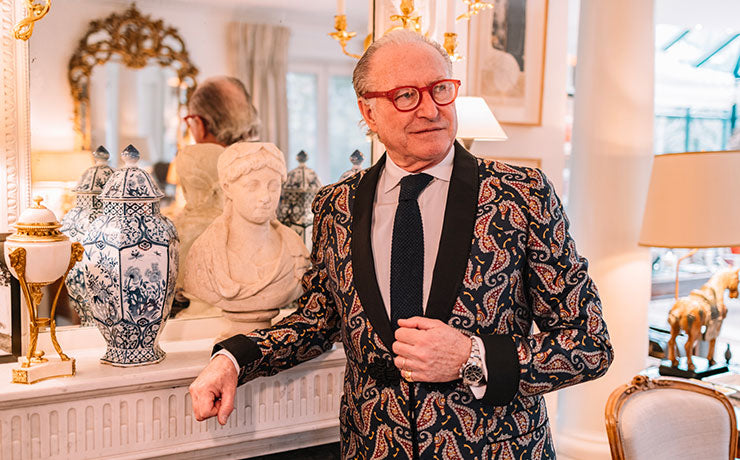
His name is certainly familiar to you, and for good reason. The story of Alberto Morillas is the story of a genius, prolific and passionate Master Perfumer, whose number of creations now amounts to more than 500, some of which are among the greatest classics of perfumery.

You have created some of the most iconic fragrances in the history of perfumery, what made you decide to launch your own brand?
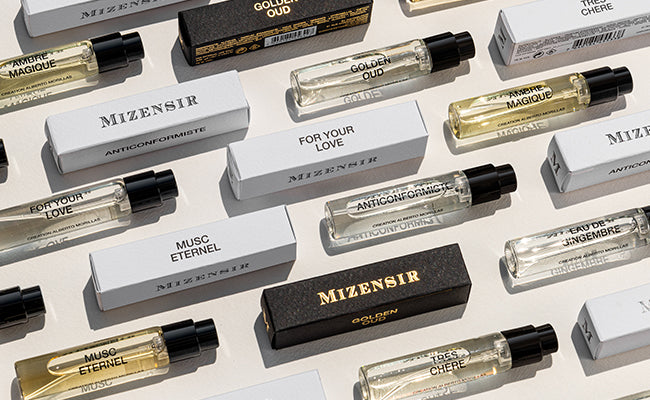
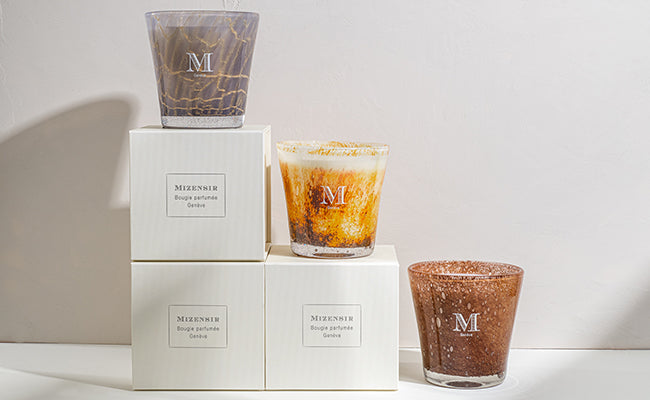
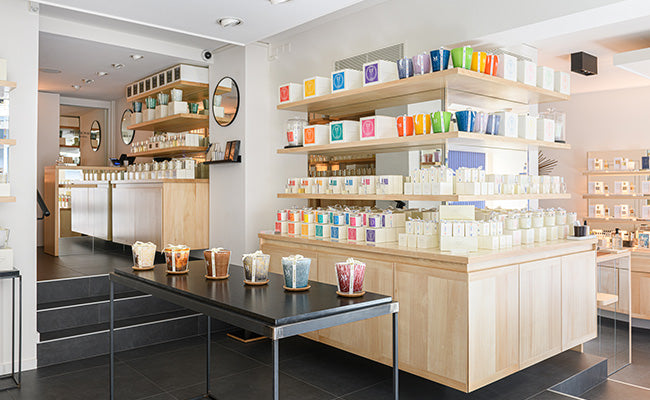
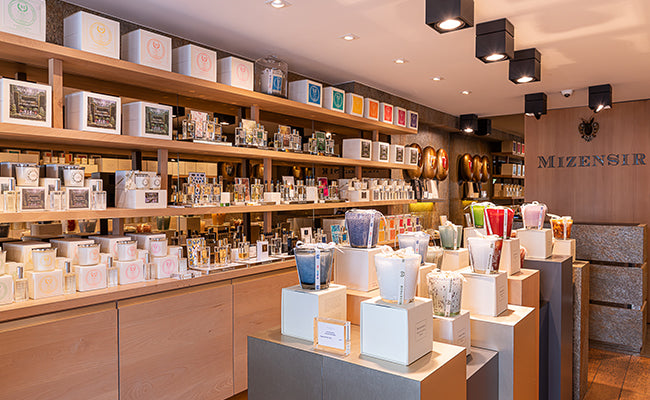
I've been in the perfume industry for forty-five years now, and I can assure you that even after all these years, my passion remains the same. At Firmenich, I've always had the opportunity to create without taboos or limits, and I'm delighted to be able to continue collaborating with them today, and for several years to come.The idea for Mizensir came about quite naturally. Twenty years ago, Patrick Firmenich asked me to create a line of candles as gifts for the company's valued clients. Given the success of this range, he encouraged me to develop my own brand of handcrafted candles, entirely handmade in a workshop in Geneva. And that's how Mizensir was born.
How would you define the brand identity? ?
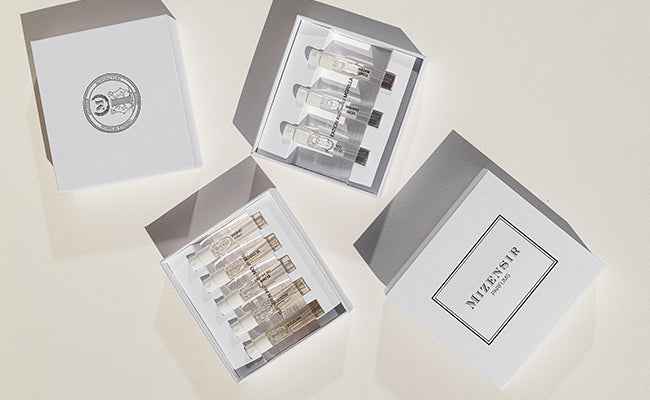
These are not niche items, but truly exceptional, highly exclusive products. Mizensir candles are entirely handcrafted in a workshop in Geneva. The brand's philosophy is not to offer decorative objects, but to allow the discovery of fragrances that we have " wax figures "while letting yourself be carried away... The same goes for the line of skin perfumes, which we created later, which are more personal creations with a more assertive olfactory signature.How, after all these years, does one manage to never get tired of it? ?
I've maintained the same creative energy, and I still see perfumery with childlike wonder. I'm also fortunate to work with a company that invests heavily in research and new molecules, which provides me with a constantly evolving playground.What do you think is your greatest talent? ?
Passion I think it's essential to excel in what you do, to constantly reinvent yourself and stay up-to-date.How do the creative processes differ depending on whether you're creating for a major brand or for your own company? ?
The financial stakes are not the same.For Mizensir, we don't use celebrity spokespeople, so our costs are low and I can go much further in the creative process; I have complete freedom. However, certain elements remain unchanged, particularly regarding the philosophy of the fragrance: it's about evoking grandeur, simplicity, and creating something different.How long does the perfume creation process usually take? ?
It varies greatly; it can last from one month to three years. It's very difficult to know when to stop, like with a book or a work of art; you always want to continue, and you're always a little nostalgic when you finally finish. It's difficult to define when the creation is complete, and it's rarely the final version that you choose. For Kenzo Flower For example, it was the third version that was chosen… out of more than 4,000 trials The history of perfume is invisible; it is the emotion it evokes that is important.What do you think makes some perfumes stand the test of time and others not? ?
For many, it's primarily a matter of identity. Twenty years ago, Acqua di Gio It wasn't trendy at all back then; today, it's timeless. The same goes for CK One by Calvin Klein.How do you perceive the perfume industry today? ?
I believe that while everyone is capable of creating beautiful perfumes and bottles, the industry sometimes lacks a certain boldness. Of course, this is very expensive, but many brands prefer to invest in image rather than the fragrance itself. I think we're experiencing a turning point in the perfume industry. Consumers are faced with a huge number of choices, but also with counterfeits and products of dubious quality. It's up to brands to become more serious in order to restore the profession to its former glory.Do you have a favorite subject? ?
Cypriol. It's a papyrus root that I used when I created my first perfume, FH77 for Courrèges. I'm also very fond of orange blossom, which reminds me of my childhood, and of rose. There are millions of materials and formulas in perfumery; what matters is the story you will write with them.Do you think that brands and retailers should offer their customers more in-store experiences? ?
We live in a consumer society; people who buy perfumes don't need explanations. It's a solitary moment for epicureans who enjoy discovering and following their instincts.What is your greatest source of pride as a perfumer? ?
Having passionate clients, having some great classics to my credit, but above all continuing to be as passionate as I was forty years ago, and continuing to cherish these moments of creation.
Interview conducted by Kathy O'MENY and Mathilda PANIGADA
ABC - LUXE.com July 2017


